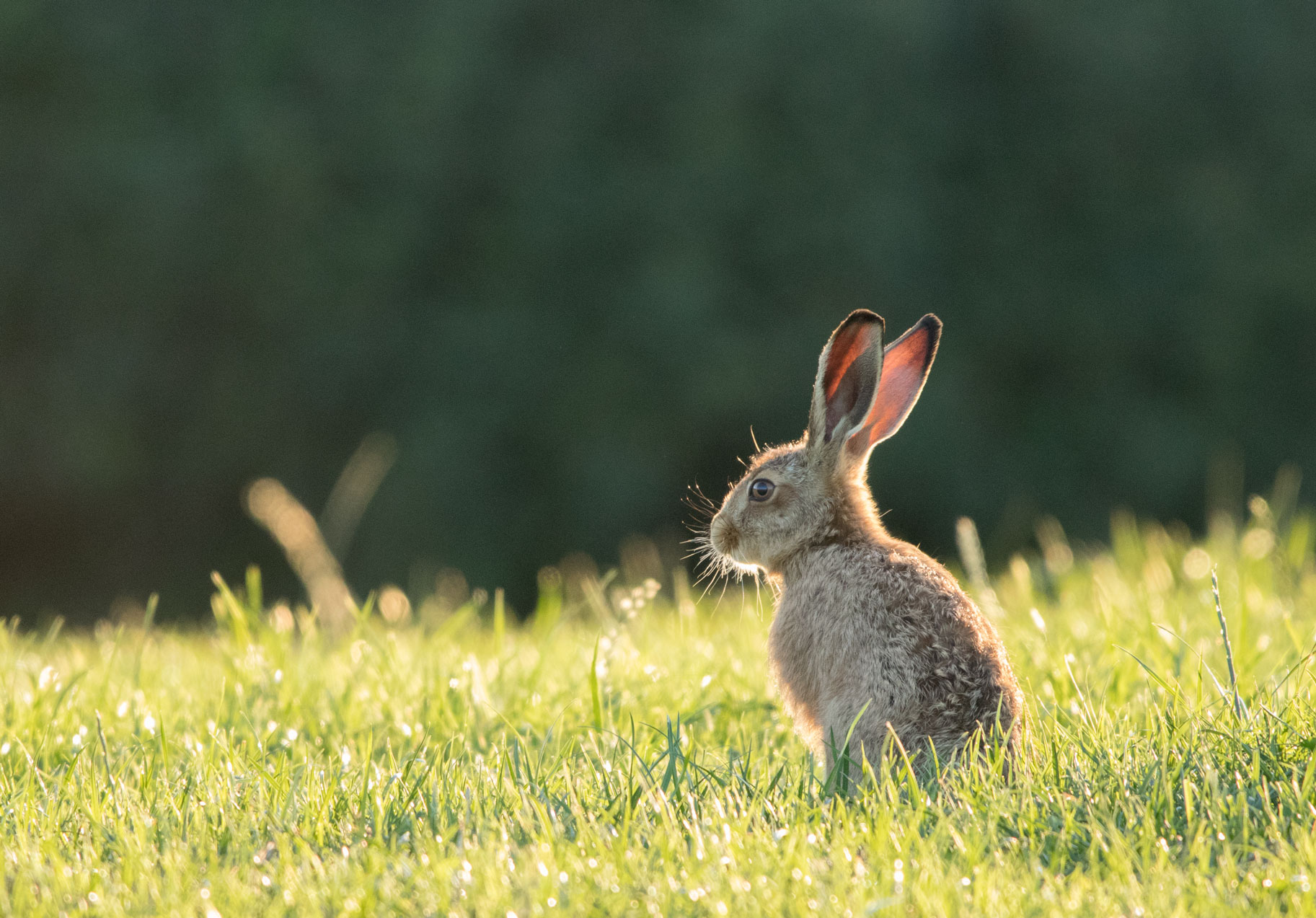
Brown hares
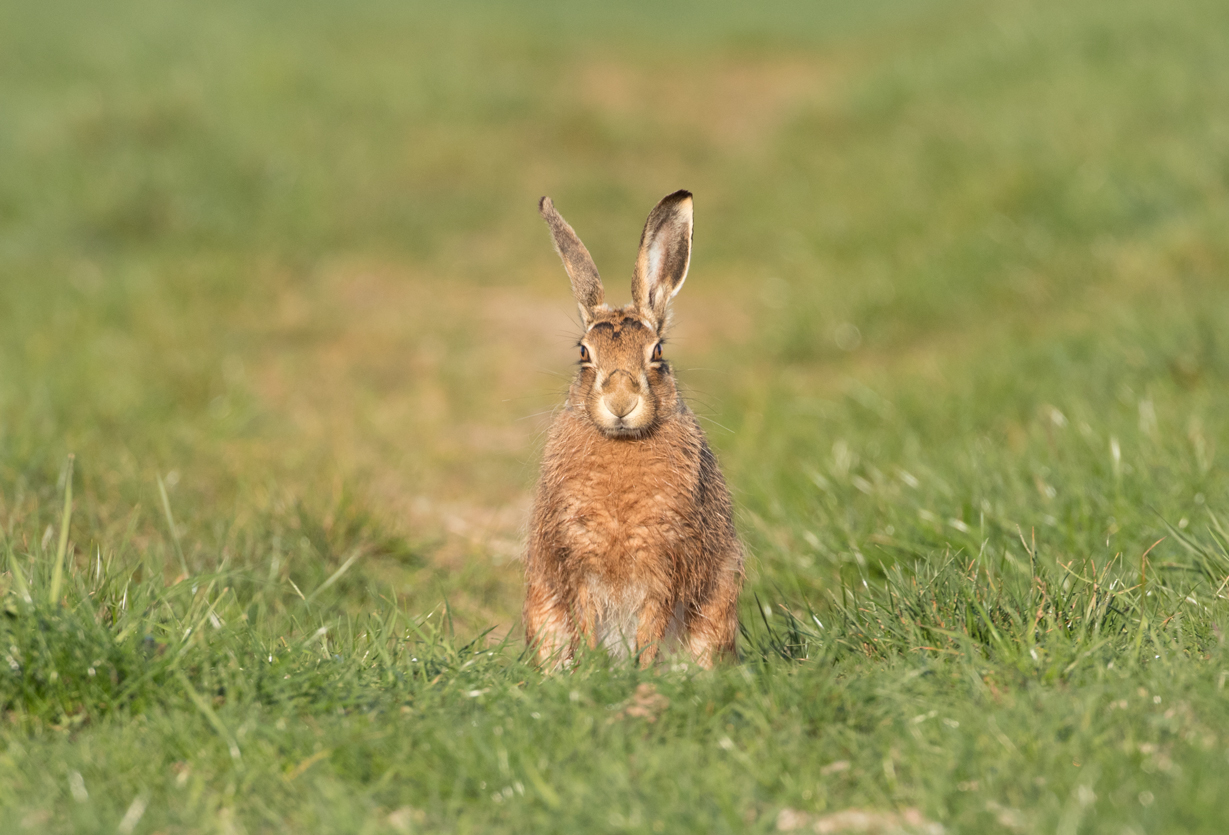
Brown hares, also known as European hares, are charismatic wild animals, not native but long-established in the UK. They are present in England including Yorkshire, and much of Scotland.

Brown hares, also known as European hares, are charismatic wild animals, not native but long-established in the UK. They are present in England including Yorkshire, and much of Scotland.
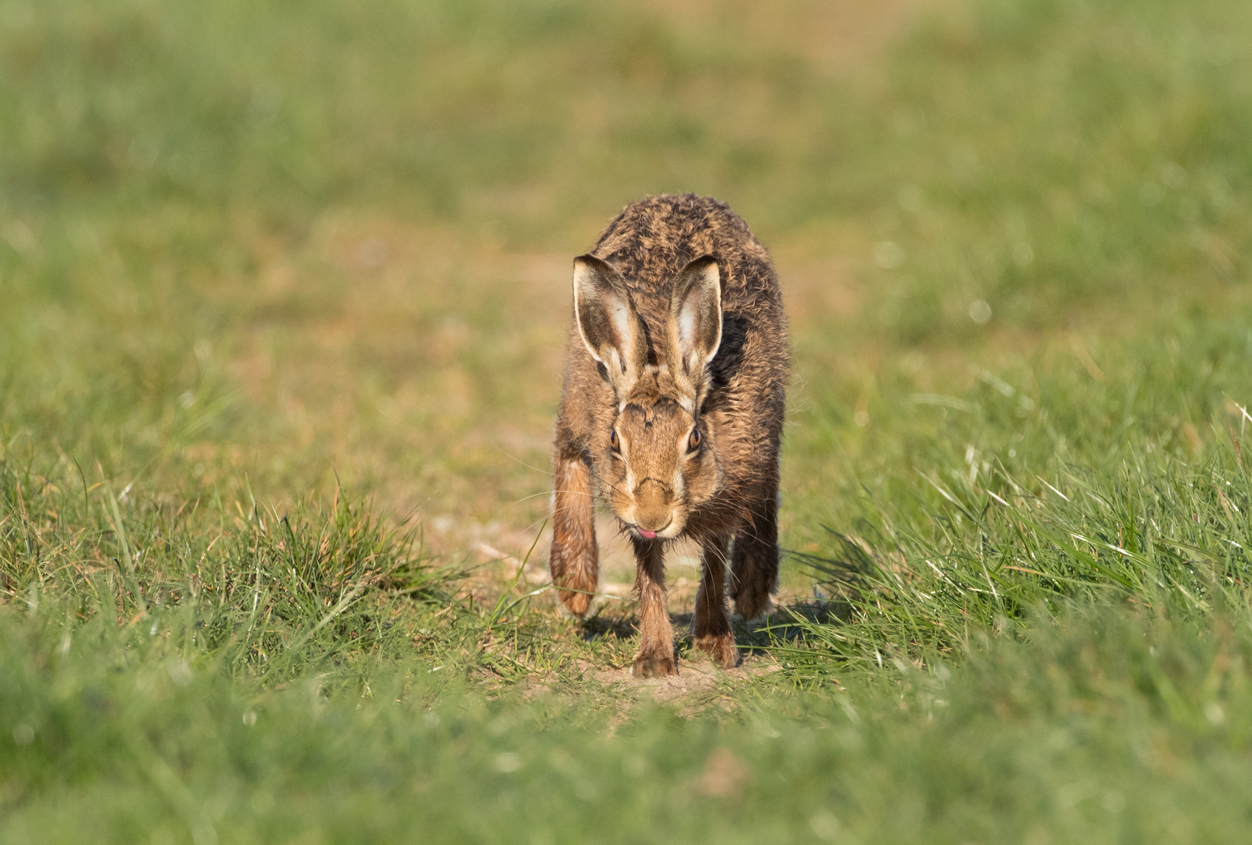
Brown hares are mammals within the order Lagomorpha, which includes rabbits and hares.
Their genus is Lepus (hares), and they are Lepus europaeus - European or brown hares.
Wherever there's flat agricultural land, whether pasture or arable, there's a chance of seeing hares.
Many of my photos are taken near Fountain's Abbey in North Yorkshire.
There are plenty of hares east of York too, and in lots of other places throughout the county.

In the UK, the brown hare is found throughout England, in the south and east of Scotland, but not in Ireland except for mid-Ulster and west Tyrone (Northern Ireland). Its population in the UK is 817,500 (source: Britain's Mammals, A Concise Guide). The species is most abundant in the flat, arable land of East Anglia.
The brown hare may have originated on the grasslands of central Asia. It is native to much of continental Europe from northern Spain in the south to southern Scandinavia in the northern part of its range; it is also native to northern parts of western and central Asia.
Brown hares were introduced to Britain, possibly by the Romans about 2,000 years ago (since there are no records of them from earlier times - Wikipedia).
They have also been introduced to Ontario and New York State (North America), some South American countries and the Falkland Islands, Australia and both islands of New Zealand, and the south Pacific coast of Russia.
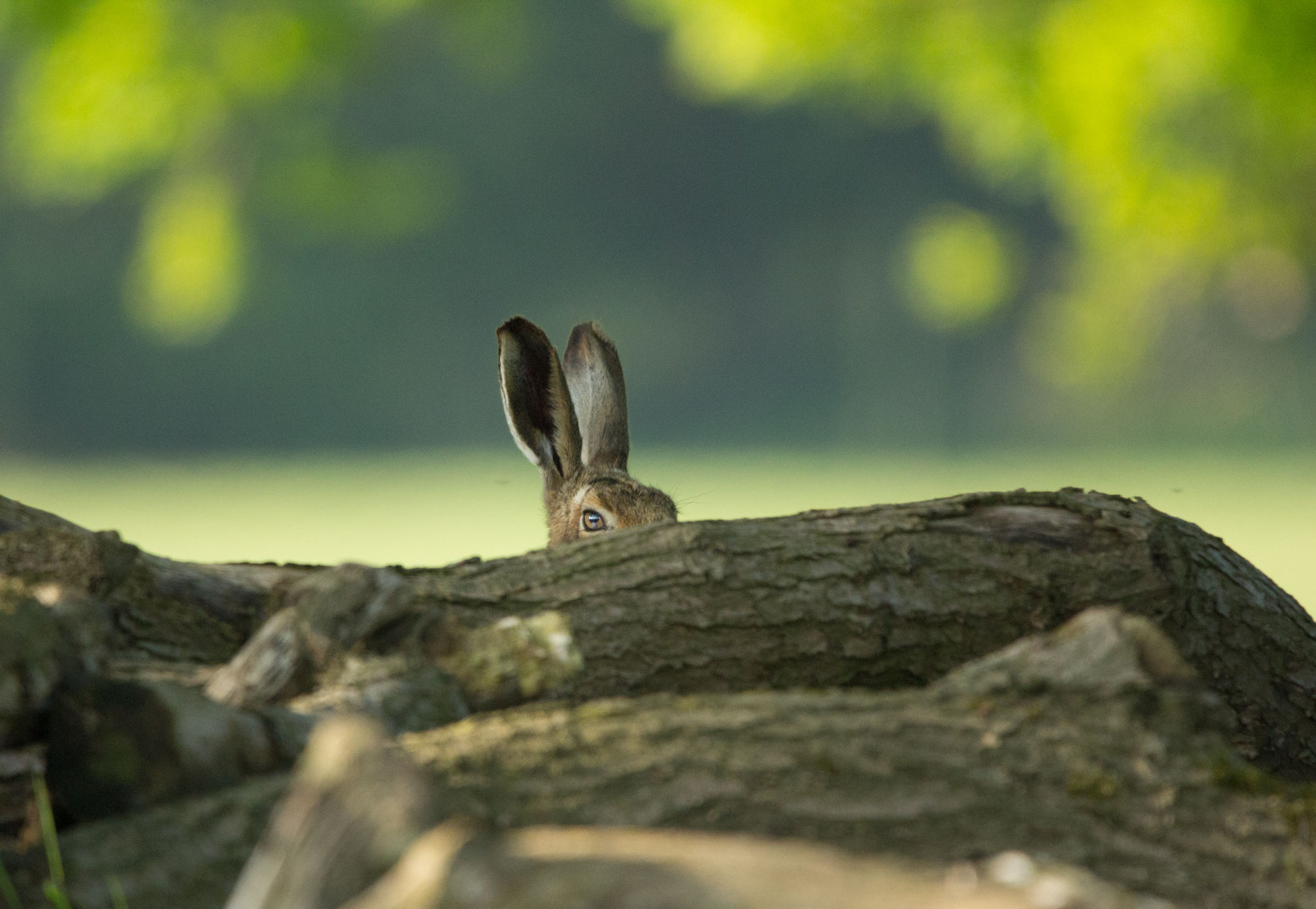
Adult brown hares are 48-70cm in length (head and body). Their ears are about as long as their heads, so in theory if their ears were pulled forward, they would reach the tip of the nose, unlike the mountain hare. The ears are black-tipped. A brown hare weighs 2-5kg, with the females usually slightly heavier than the males (Britain's Mammals).
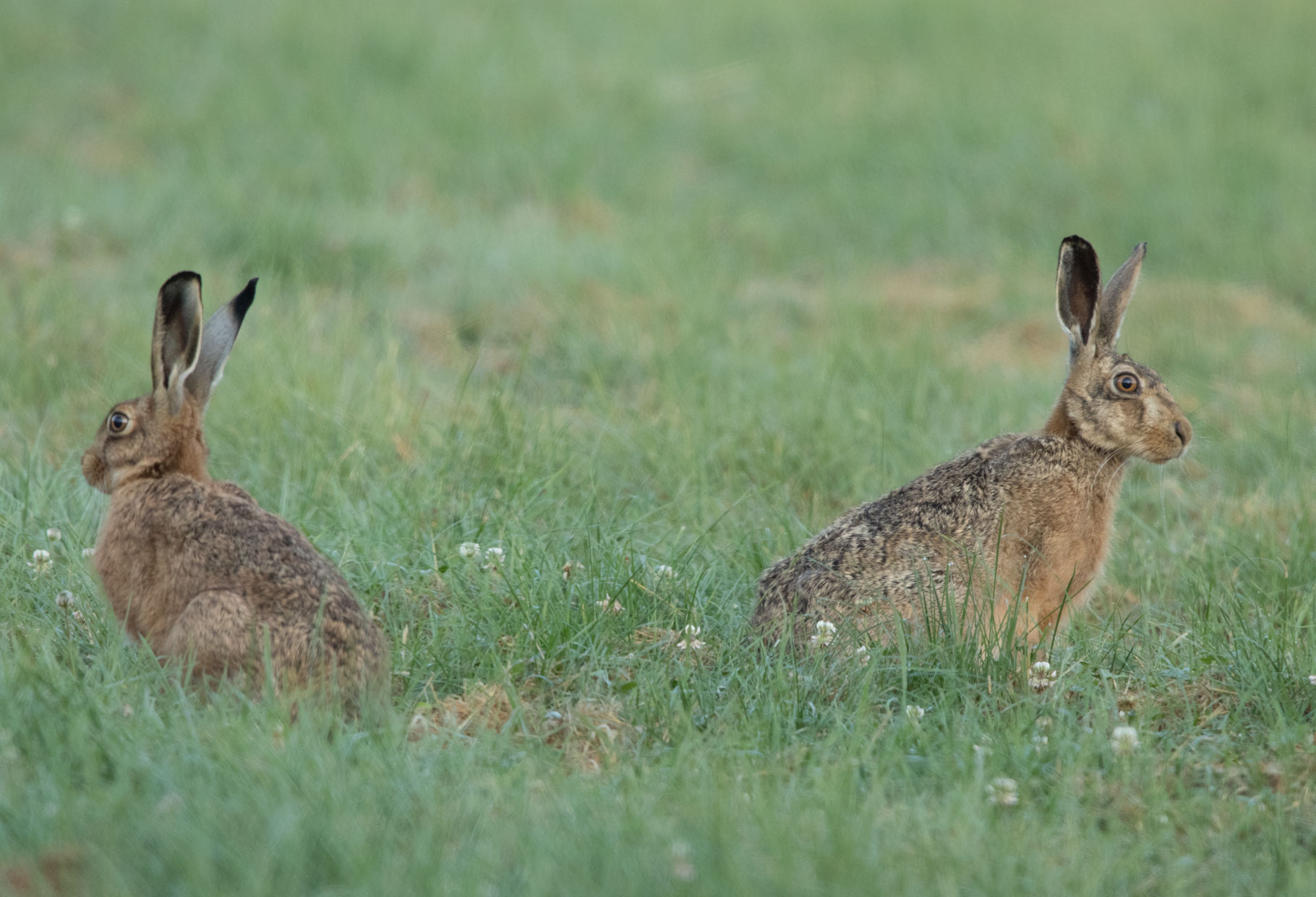
The brown hare's fur is tawny (yellowish-brown).
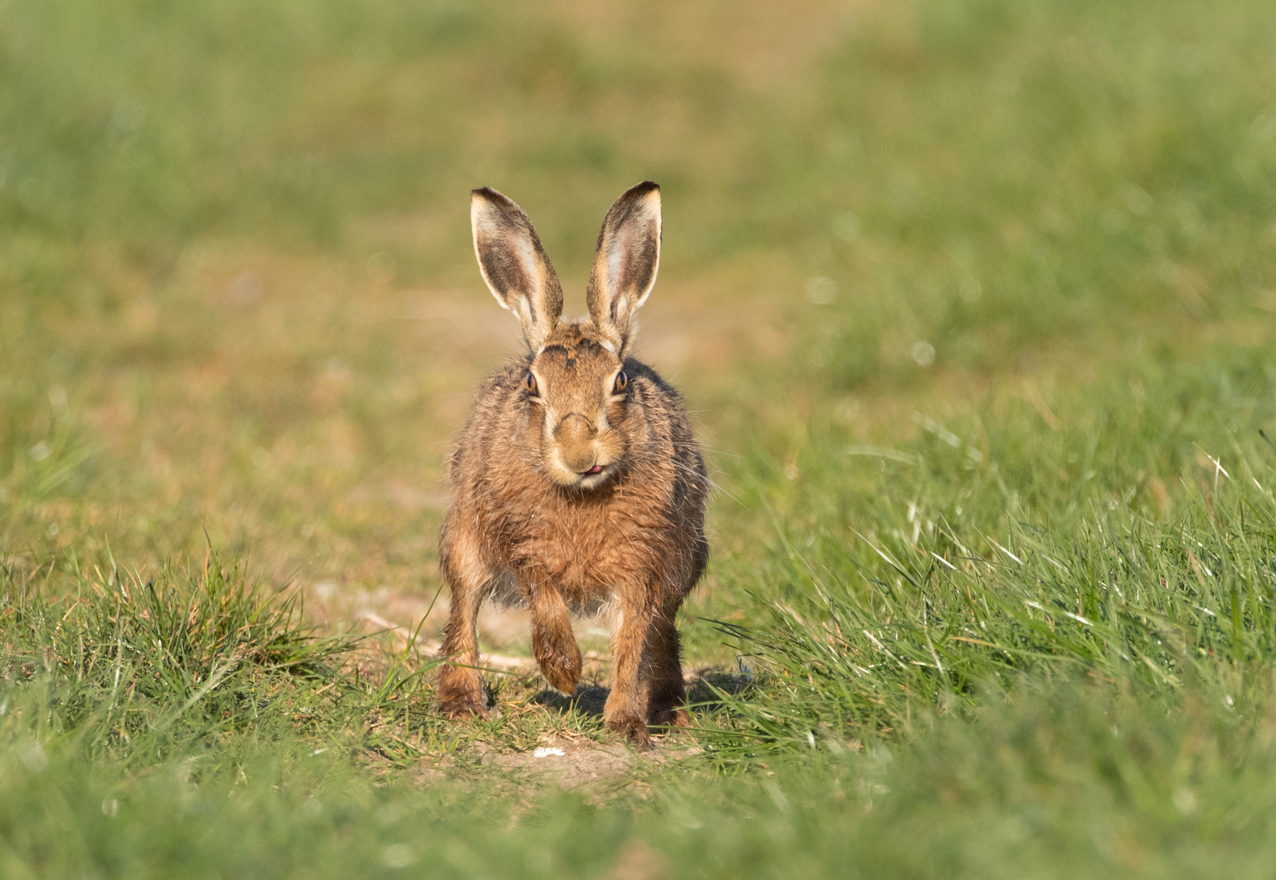
Brown hares do not live in burrows, but above ground. They rest in 'forms' - 10cm deep depressions - or just lie flat in long grass or fields of crops.
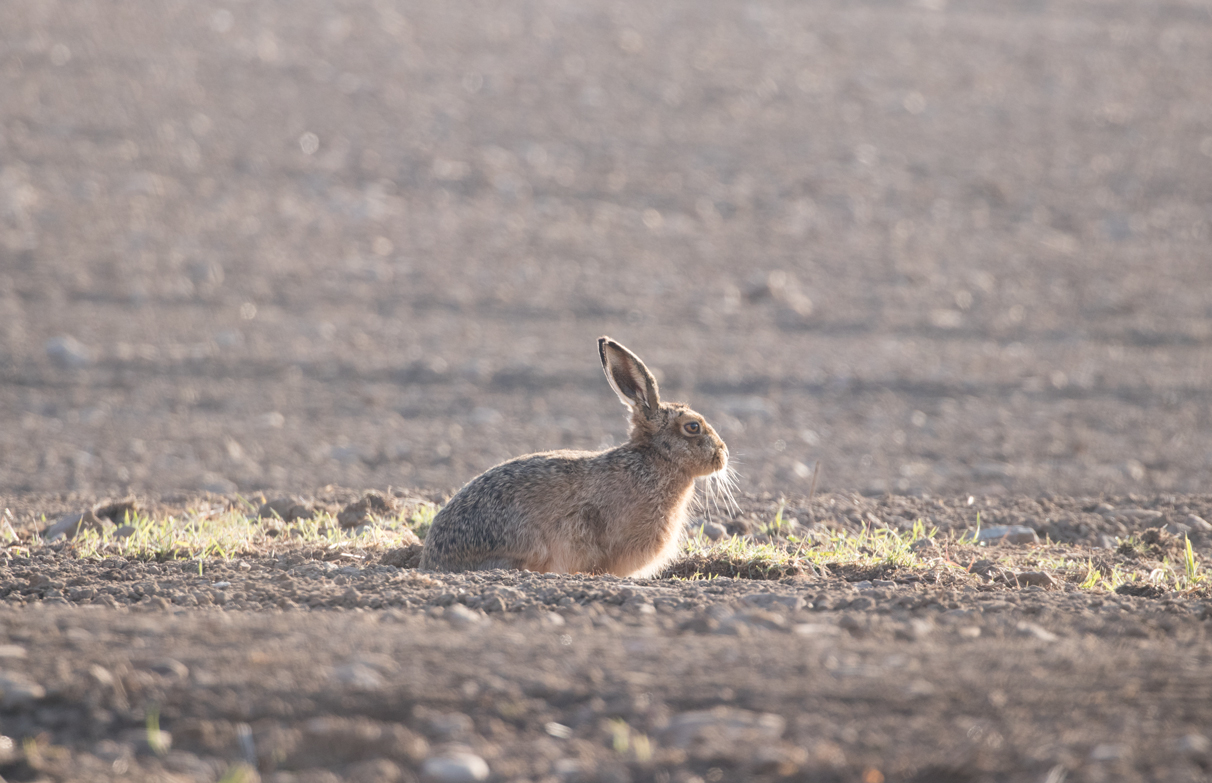
They rely on speed to evade predators, and their long legs, muscles, wide nostrils and large hearts are adapted for high-speed endurance running in open country. Brown hares can reach about 70kmh/45mph. Unlike rabbits, the brown hare's white tail is tucked down and not visible when it runs.
Brown hares are mainly nocturnal, and they forage at dawn and dusk.
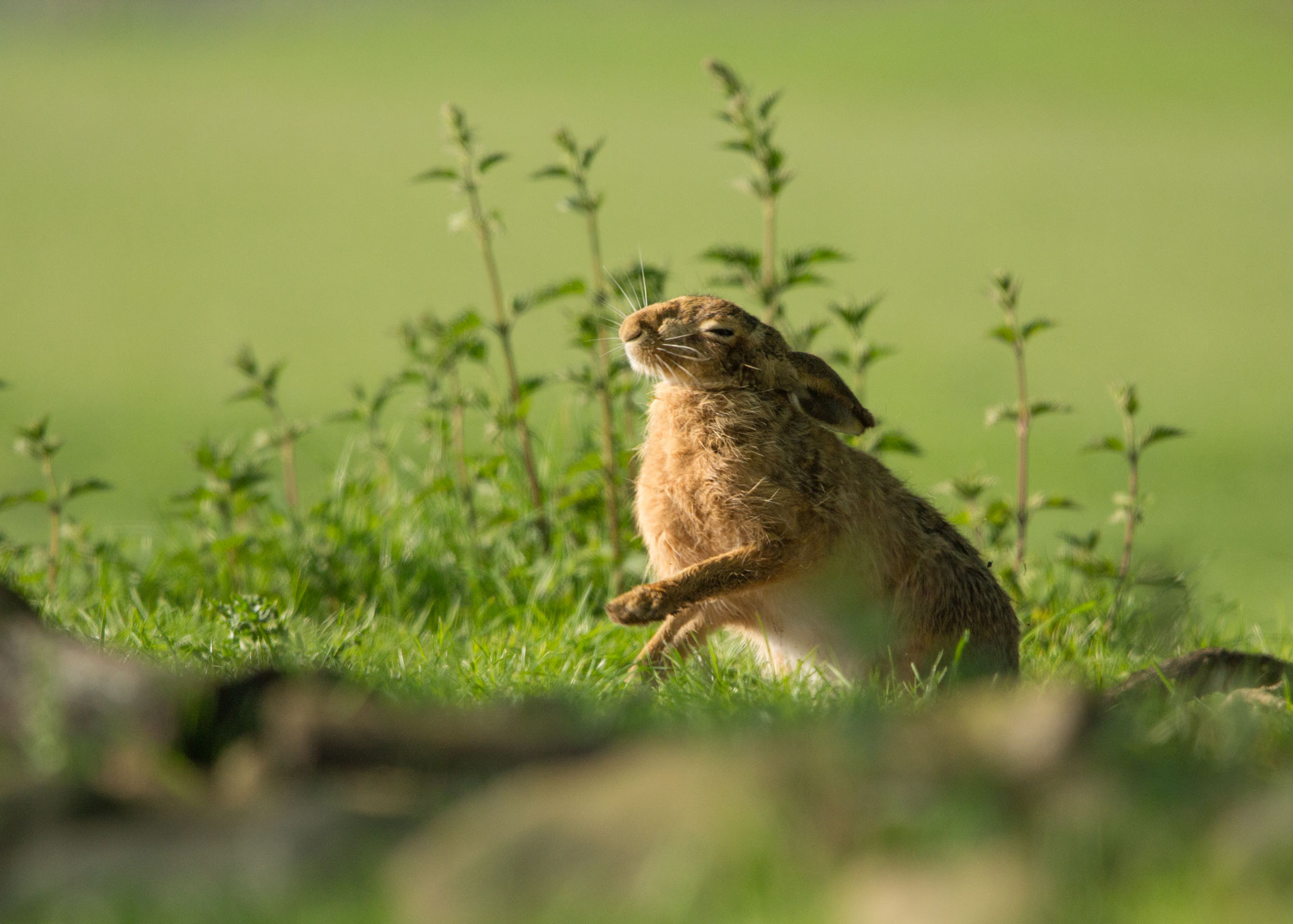
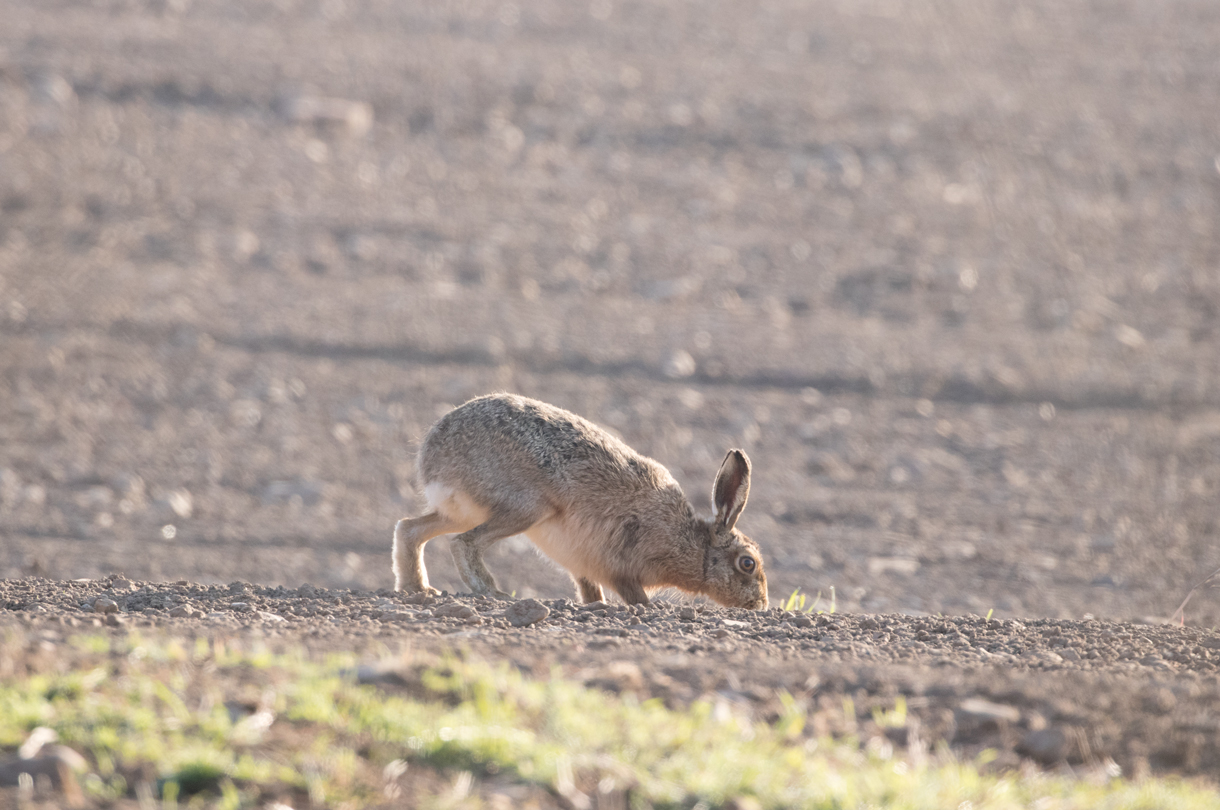
Brown hares live on arable farmland, and on grassland with hedgerows.
They eat grasses, young cereal crops, and - if snow is lying on the ground - shrubs.
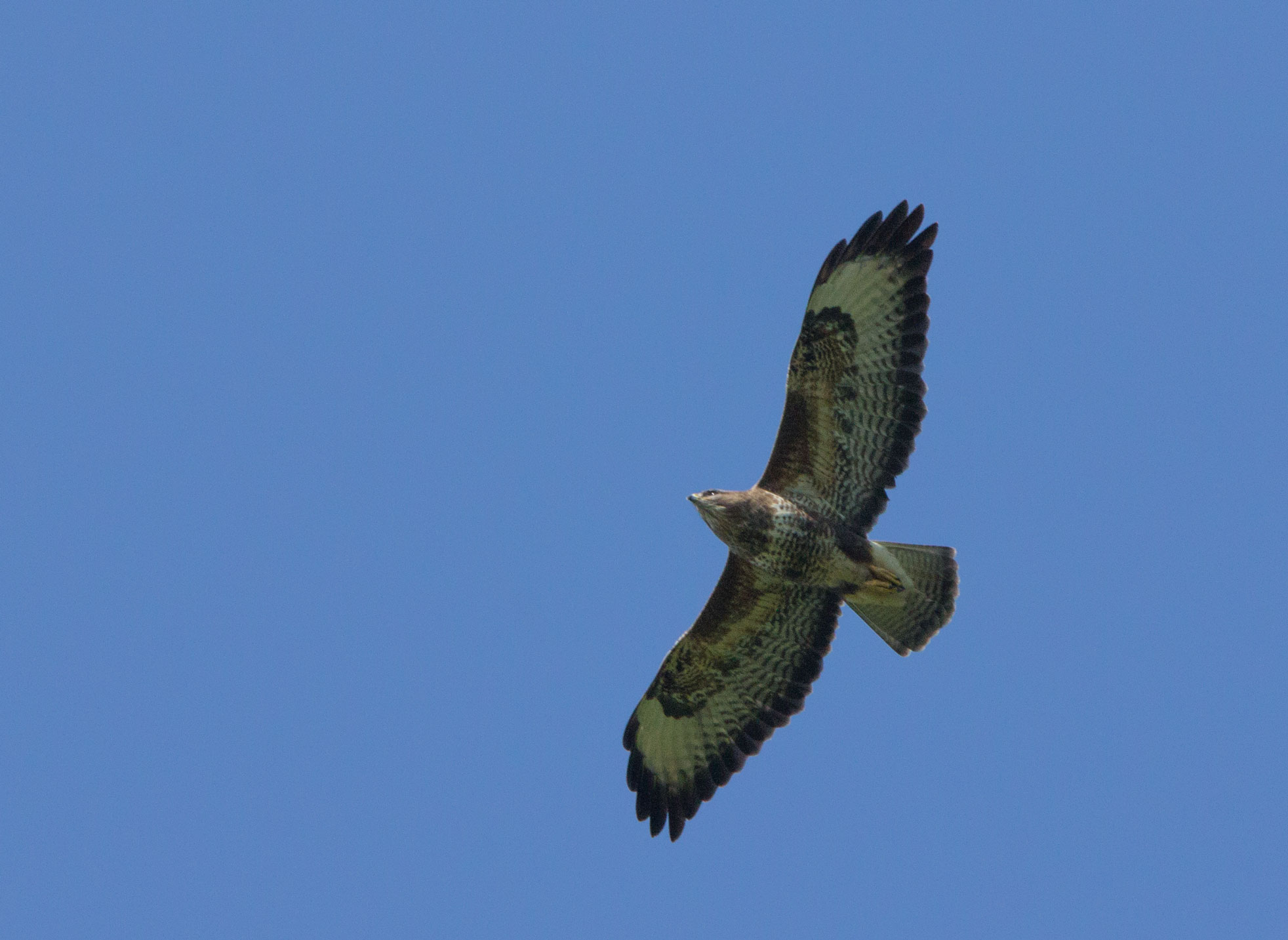
Predators of brown hares include foxes and birds of prey.
Other threats are intensive agriculture and hunting. Although brown hares are a priority species in the UK Biodiversity Action Plan, they are not protected from hunting - there is no closed season, so they can be shot at any time of year.
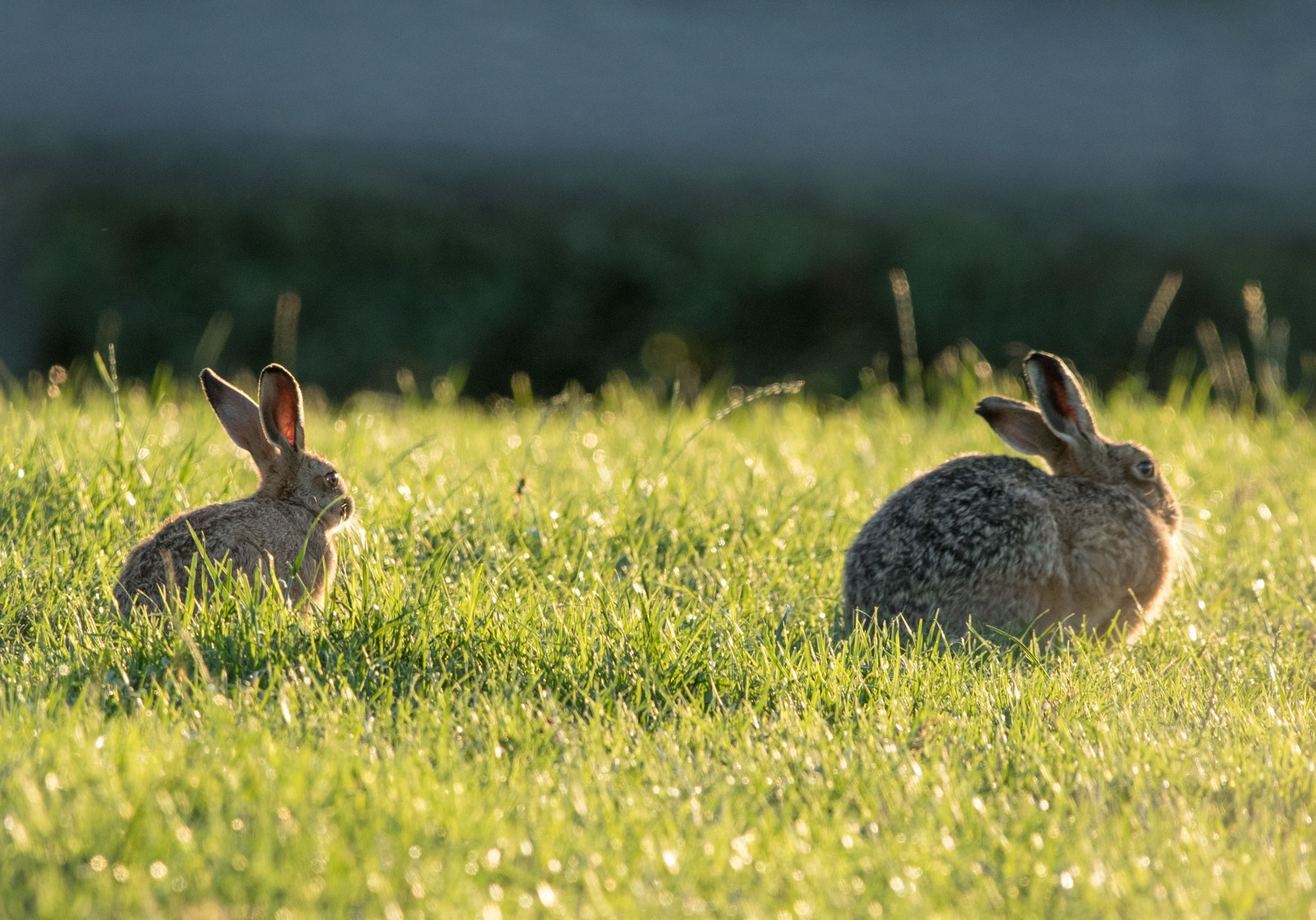
The brown hare is mainly solitary, but small groups form in late winter or spring for courtship.
'Boxing' occurs when a female hare fends off a male in the breeding season, or is testing the resolve of the male. The expression 'mad as a March hare' refers to this behaviour.
Hares breed from February to September. The females can have up to 4 litters of three or four leverets. The leverets are active as soon as they are born; they are weaned after 3 or 4 weeks.
An average lifespan is 2 to 3 years, but 5% of brown hares live for more than 5 years, and the oldest known hare lived to 12.5 years.